
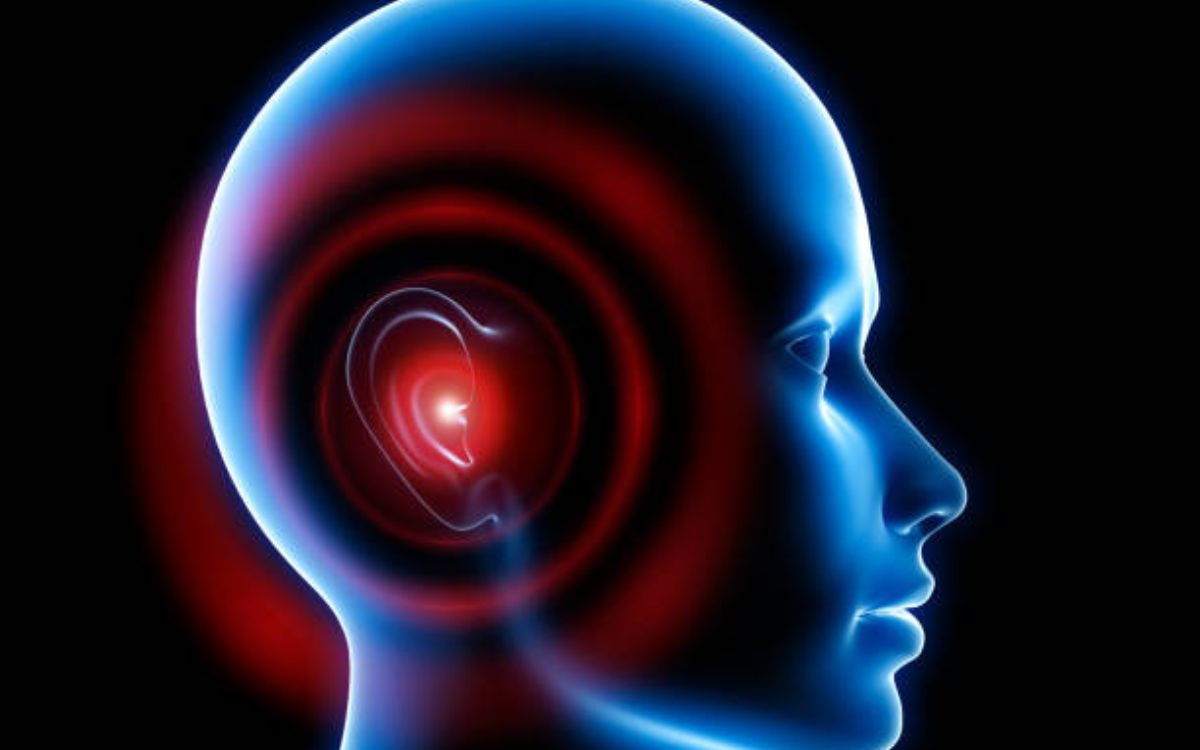
You hear a ringing. Out of nowhere. No loud concert. No head injury. Just… ringing. Or buzzing. Or hissing. This is sudden onset tinnitus without hearing loss causes territory. It’s confusing. It’s unsettling. 🤔 Why is this happening if your hearing seems fine? Let’s dive deep.
Beyond the Ear: It’s Not Always About Hearing Damage
Most link tinnitus directly to hearing loss. Damaged hair cells in the inner ear send false signals. Your brain interprets them as sound. But what if that hearing test comes back normal? That’s when exploring sudden onset tinnitus without hearing loss causes becomes crucial.
The source might lie elsewhere. Often, it’s your brain or body sending mixed signals.
The Usual Suspects (That Aren’t Hearing Loss)
-
Stress & Anxiety: The Silent Amplifiers 🧠
Life’s heavy? Your brain feels it. Chronic stress floods your system with hormones like cortisol. This can overexcite neural pathways. Including those involved in sound processing. Suddenly, that internal silence gets noisy. Anxiety makes you hyper-aware. That faint ringing you might ignore? It becomes center stage. Breaking the stress cycle is key. Deep breathing. Walks. Therapy. Calm the mind, quiet the noise. -
TMJ Disorders: Your Jaw’s Surprising Role 😬
Your jaw joint (TMJ) sits right next to your ear. Problems here – grinding teeth (bruxism), clenching, misalignment – cause inflammation. This irritates nearby muscles and nerves. Signals get crossed. Ear pain? Clicking? And sudden tinnitus? Your TMJ might be the culprit. A dentist or specialist can help. A night guard often brings relief. -
Eustachian Tube Dysfunction (ETD): Pressure Plays Havoc 💨
That tube connecting your middle ear to your throat? It regulates pressure. Colds, allergies, sinus infections make it swell or clog. Pressure builds. Feels like your ears are stuffed. This pressure change can trigger tinnitus – often a low roar or blowing sound. 🤧 Treat the congestion, often the tinnitus fades. Decongestants (short-term), nasal sprays, allergy meds can help. -
Head & Neck Issues: Nerves on Edge 💆♀️
Injury or tension in your neck, shoulders, or head matters. Muscles tighten. Nerves get pinched or irritated. These nerves connect to areas processing sound. Somatic tinnitus links directly to body movements. Turn your head? The sound changes. Physical therapy, chiropractic (carefully!), massage can untangle these knots. Relief is often tangible. -
Medications (Ototoxicity): Check the Label 💊
Some drugs can damage the inner ear or auditory nerve without always causing measurable hearing loss first. Tinnitus can be the warning sign. Common culprits?-
High-dose aspirin & NSAIDs
-
Certain antibiotics (like some aminoglycosides, rarely used now)
-
Some diuretics (water pills)
-
Certain chemotherapy drugs
-
Some antidepressants
Never stop medication without talking to your doctor! Report new tinnitus immediately. Alternatives often exist.
-
-
Vascular Issues: The Sound of Blood Flow ❤️🔥
This is often “pulsatile” tinnitus – a whooshing or thumping in time with your heartbeat. Causes?-
High blood pressure (forces blood through vessels louder)
-
Atherosclerosis (narrowed arteries near the ear create turbulent flow)
-
Benign tumors pressing on vessels (like glomus tumors – rare)
-
Irregular blood vessel formations (arteriovenous malformations)
This type needs medical investigation. An ENT or vascular specialist is essential.
-
-
Neurological Factors: Brain Buzz 🧩
Your brain generates the tinnitus sound. Sometimes, the trigger is neurological:-
Migraines: Tinnitus can be part of the aura or occur alongside attacks. 🌀
-
Acoustic Neuroma (Vestibular Schwannoma): A very rare, slow-growing benign tumor on the nerve connecting the inner ear to the brain. Hearing loss usually happens, but subtle tinnitus can sometimes be the first sign. MRI scans rule this out.
-
Changes in Brain Plasticity: Your brain constantly adapts. If auditory input decreases slightly (even undetected by standard tests), the brain might “turn up the gain,” amplifying internal noise.
-
Less Common, But Possible Culprits
-
Autoimmune Inner Ear Disease (AIED): Rare. The immune system attacks the inner ear. Tinnitus and dizziness often precede hearing loss.
-
Vitamin Deficiencies: Severe B12 deficiency can sometimes cause neurological symptoms, including tinnitus.
-
Thyroid Disorders: Both hyper and hypothyroidism have been loosely linked to tinnitus in some cases.
-
Meniere’s Disease (Early Stage): Typically involves fluctuating hearing loss, vertigo, and tinnitus. But early on, tinnitus might be the only noticeable symptom before hearing dips occur.
The Diagnostic Journey: Finding Your “Why” 🗺️
Don’t guess. See a professional. Start with your primary doctor. They will likely refer you to an Ear, Nose, and Throat (ENT) specialist (Otolaryngologist). Expect:
-
Detailed History: Be ready to describe the sound, when it started, patterns, associated symptoms (pain, dizziness, fullness), medications, health history, stress levels.
-
Physical Exam: Looking in your ears, checking your neck/jaw, listening to neck vessels.
-
Hearing Test (Audiogram): Confirms if hearing loss is present or absent. Crucial!
-
Tympanometry: Tests eardrum movement and middle ear pressure (checks for ETD).
-
Further Tests (If Needed):
-
Imaging: MRI or CT scan (especially for pulsatile tinnitus or asymmetric symptoms to rule out acoustic neuroma/vascular issues).
-
Blood Tests: To check for infections, thyroid function, autoimmune markers, vitamin levels.
-
TMJ Evaluation: By a dentist or specialist.
-
Managing the Mystery: You Have Power 💪
Even without a crystal-clear cause, you can manage it. The goal is habituation – your brain learning to filter it out.
-
Sound Therapy: Your New Best Friend 🎶
Silence is often the enemy. Gentle background noise soothes the nervous system and distracts the brain.-
White noise machines
-
Fans
-
Nature sound apps (rain, ocean waves)
-
Low-volume music
-
Hearing aids (even with normal hearing, they can amplify ambient sound or provide masking)
Use sound constantly, especially during quiet times.
-
-
Cognitive Behavioral Therapy (CBT): Rewire Your Reaction �♀️
CBT doesn’t silence the sound. It changes how you react to it. It tackles the fear, anxiety, and negative thoughts that amplify suffering. Proven highly effective for tinnitus distress. -
Tinnitus Retraining Therapy (TRT): Combines sound therapy with structured counseling to promote habituation.
-
Mindfulness & Relaxation: Calm the System 🧘♂️
Stress fuels tinnitus. Mindfulness meditation, yoga, tai chi, progressive muscle relaxation – these techniques lower overall arousal. Your nervous system chills out. The tinnitus feels less intrusive. -
Lifestyle Tweaks: Small Changes, Big Impact
-
Protect Your Ears: Avoid loud noises. Use earplugs at concerts, when mowing. Prevent future damage.
-
Manage Stress Relentlessly: Find healthy outlets. Prioritize sleep. 💤
-
Check Your Meds: Discuss alternatives with your doctor if ototoxicity is suspected.
-
Limit Triggers: Caffeine, alcohol, nicotine can worsen tinnitus for some. Notice patterns.
-
Exercise: Improves blood flow and reduces stress. Aim for regular movement.
-
Healthy Diet: Stay hydrated. Some find reducing salt helps (especially if ETD or Meniere’s is suspected).
-
Prevention: Can You Stop It Before It Starts?
You can’t prevent all cases. But you can lower your risk:
-
Guard Against Loud Noise: This is #1. Protect your hearing fiercely.
-
Manage Stress Proactively: Don’t wait until it’s overwhelming.
-
Get Regular Checkups: Manage blood pressure, cholesterol, thyroid issues.
-
Be Med-Savvy: Ask about ototoxicity when prescribed new drugs.
-
Take Care of Your Jaw & Neck: Be mindful of clenching/grinding. Maintain good posture.
Hope on the Horizon: It Gets Better ✨
Sudden tinnitus is scary. Especially when the cause isn’t obvious. But here’s the truth: For most people experiencing sudden onset tinnitus without hearing loss causes, the intensity does decrease over time. Your brain adapts. Habituation happens. Finding management strategies that work for you is the path forward.
Don’t Suffer in Silence. Take Action Now! 🚀
That ringing? Don’t ignore it. Don’t panic. Arm yourself with knowledge. Understanding potential sudden onset tinnitus without hearing loss causes is your first powerful step.
See your doctor. See an ENT. Get the tests. Rule out serious issues. Then, focus on management.
It’s a journey. There might not be a magic “off” switch. But there is relief. There is habituation. There is getting your life back from the noise.
Start exploring your sudden onset tinnitus without hearing loss causes today. Take back control. Your quieter tomorrow starts now. 💚