
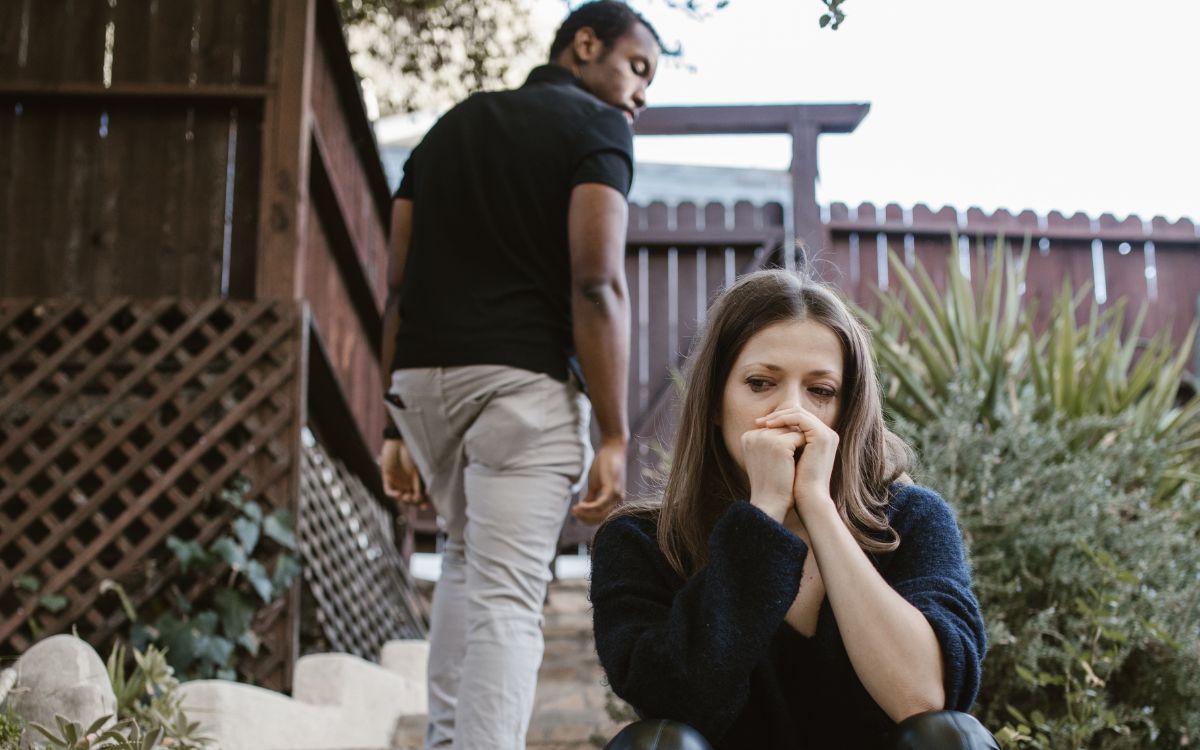
Let’s talk about something real. Dating over 40. It’s different. You bring experience. Baggage too, sometimes. You know yourself better. You often know what you want. A real connection. Depth. Partnership.
But finding it? That can be tricky. Especially if the person across the table, or lying beside you, is emotionally unavailable. This isn’t just a young person’s problem. It might be more common later in life. Walls get built higher over decades. Past hurts solidify. Defenses become habits.
Spotting emotional unavailability in someone over 40 is crucial. Your time is precious. Your energy matters. You deserve more than surface-level. Let’s look at the signs. Clear signs. Not vague hints.
1. Deep Conversations Feel Like Pulling Teeth.
You try to talk about feelings. Your feelings. Their feelings. The relationship’s feelings. Anything beyond the weather or work. What happens? They shut down. Change the subject. Make a joke. Get visibly uncomfortable. Say things like, “Do we have to talk about this now?” or “I’m not good at this mushy stuff.” True intimacy needs emotional sharing. If they can’t or won’t go there, ever, it’s a wall. A big one.
2. The Future is a Fuzzy, Distant Land.
You’re in your 40s, 50s, 60s. Talking about next month, next year, even next week, shouldn’t be scary. But for the emotionally unavailable, it is. Any talk beyond the immediate feels threatening. Planning a vacation together in six months? They hedge. Discussing meeting family over the holidays? They deflect. Talking about where this is going? They vanish or get angry. They live firmly in the “now,” because the future requires emotional investment. They avoid investing.
3. Hot and Cold is Their Default Setting.
One week they’re all in. Affectionate. Present. Making plans. You feel connected. Secure. Then? Poof. They pull back. Become distant. Vague. Cancels plans. Short texts. You feel confused. Did you do something? This push-pull is classic. They get close, feel vulnerable, panic, retreat. Over 40, this isn’t cute confusion. It’s a pattern. A sign they can’t sustain emotional closeness.
4. You Feel Profoundly Lonely… When You’re With Them.
This is a big one. You sit together. Watch a movie. Have dinner. But you feel alone. There’s a space between you. An emptiness. You might talk, but it feels surface-level. Transactional. You crave connection, but hit an invisible barrier. Being lonely in a relationship is worse than being alone. Pay attention to this feeling. It speaks volumes.
5. Their Past is a Mystery Fortress.
Everyone has a past. But openness builds trust. The emotionally unavailable keep theirs locked tight. Especially the messy bits. Past relationships? Vague answers or blame-shifting (“My ex was crazy.”). Childhood? “It was fine.” Difficult experiences? They brush them off. “It’s in the past.” They avoid anything that might reveal vulnerability or pain. This isn’t privacy. It’s self-protection that blocks intimacy. Over 40, having some insight into past patterns is healthy. A total blackout? Suspicious.
6. Your Needs? What Needs?
You express a need. For more time. For reassurance. For help with something. How do they respond? Dismissal. Minimization. Defensiveness. “You’re too sensitive.” “I’m busy, you know that.” “Why do you need so much?” They struggle to validate your feelings. They cannot meet emotional needs because they are disconnected from their own. It feels like talking to a brick wall. Your feelings bounce right off.
7. They Are Permanently “Busy.”
Work is insane. Kids (even grown ones) demand everything. The dog needs walking. The garage needs organizing. Always. Their schedule is packed wall-to-wall. There’s no room for spontaneity. Little room for deep connection. Of course, life is busy! Especially over 40. But emotionally available people make space for what matters. Emotionally unavailable people use busyness as a shield. A constant excuse to avoid emotional availability. If you constantly feel like you’re squeezing into the tiny cracks of their life, pay attention.
8. Conflict? They Vanish or Explode.
Disagreements happen. Healthy couples navigate them. The emotionally unavailable? They have two modes: Avoidance or Volcano.
-
Avoidance: They shut down. Stonewall. Leave the room/house. Refuse to discuss it. “I don’t want to fight.” (But discussion isn’t fighting). They disappear for days.
-
Volcano: Small issues trigger massive overreactions. Anger. Blame. Sometimes cruel words. It feels disproportionate and scary. Both tactics avoid genuine resolution and vulnerability.
9. Intimacy Stays Skin-Deep.
Physical intimacy might exist. Maybe even be good. But it feels disconnected from emotion. Like a separate activity. There’s little cuddling, hand-holding, or affectionate touch outside the bedroom. Or, conversely, physical affection feels like their only way to connect, avoiding any emotional talk. True intimacy weaves physical and emotional closeness together. If one is consistently missing, it’s a sign.
10. Their Relationship History is a Trail of Short Sparks.
Listen to how they talk about past partners. A string of short-lived relationships? A history of “crazy” exes? Never been in a truly long-term, committed partnership? While pasts vary, a consistent pattern of brief connections over decades can indicate an inability to sustain emotional depth. Over 40, it’s worth asking why long-term commitment hasn’t happened.
11. You Do All the Emotional Heavy Lifting.
You initiate contact. You plan dates. You try to connect. You ask questions. You soothe them. You manage the relationship’s emotional temperature. It feels one-sided. Exhausting. You feel like you’re constantly reaching for someone just out of grasp. A partnership shouldn’t feel like a solo project. Emotional availability means both people show up. Both people reach.
12. They Struggle to Truly Celebrate or Comfort You.
You get great news! A promotion! Your kid aced their test! You share it. Their response is muted. A flat “That’s nice.” Quickly changing the subject. Conversely, you have a bad day. You feel sad. Stressed. You need support. They seem uncomfortable. Offer a quick pat. Say “You’ll be fine.” Change the subject. They struggle to connect with your highs and lows because they are disconnected from their own. Shared joy and shared pain bind people. Their absence creates distance.
Why Might This Be More Common Over 40?
Life leaves marks. A painful divorce can make someone build an impenetrable fortress. A demanding career can teach them to compartmentalize feelings right out of existence. Raising kids might have consumed their emotional energy for decades. Grief, burnout, past betrayals – these can solidify defenses. Sometimes, they’ve always been this way, but the patterns are clearer now, against the backdrop of life experience. The key isn’t necessarily why (though therapy can help uncover that), but recognizing that they are unavailable now.
What To Do? This Isn’t Hopeless, But…
Seeing these signs hurts. You might want to fix it. Love them harder. Be more patient. Please don’t.
-
Acknowledge Reality: See the signs clearly. Don’t explain them away. Don’t blame yourself (“If only I was more X, they’d open up”). This is about their capacity.
-
Have a Direct Talk (Once): Choose a calm moment. Use “I” statements. “I feel lonely sometimes when we’re together and can’t connect deeply.” “I notice we avoid talking about the future, and that worries me.” See how they respond. Do they get defensive? Dismissive? Or do they listen, show concern, and commit to trying? Pay attention to actions, not just words.
-
Set Boundaries: Protect your energy. Stop doing all the work. Stop chasing. Focus on your own life, hobbies, friends. See if they step up when you step back. Usually, they don’t.
-
Manage Expectations: Can people change? Yes. But it requires deep self-awareness and consistent effort, often with professional help. It’s rare, and it’s their journey. You cannot change them. Don’t wait around hoping they’ll magically transform.
-
Prioritize Yourself: Your emotional well-being is paramount. Staying in a relationship where your core need for connection is unmet is draining. It erodes your self-esteem. Ask yourself: “Does this relationship add genuine joy and support to my life, or does it mainly cause anxiety and loneliness?” Be brutally honest.
-
Consider Walking Away: Often, the healthiest, kindest choice (to yourself) is to leave. It hurts. It’s hard. But staying with someone who cannot meet you emotionally is a slow erosion of your spirit. You deserve a partner who can show up. Fully.
Dating later in life offers incredible potential for deep, meaningful connection. You have wisdom. You know what matters. Don’t settle for less than emotional presence. Don’t waste your precious time trying to unlock a door that someone else holds the key to, and isn’t willing to turn. See the signs. Trust your feelings. Choose someone capable of choosing you back, heart and soul. Your future self will thank you