
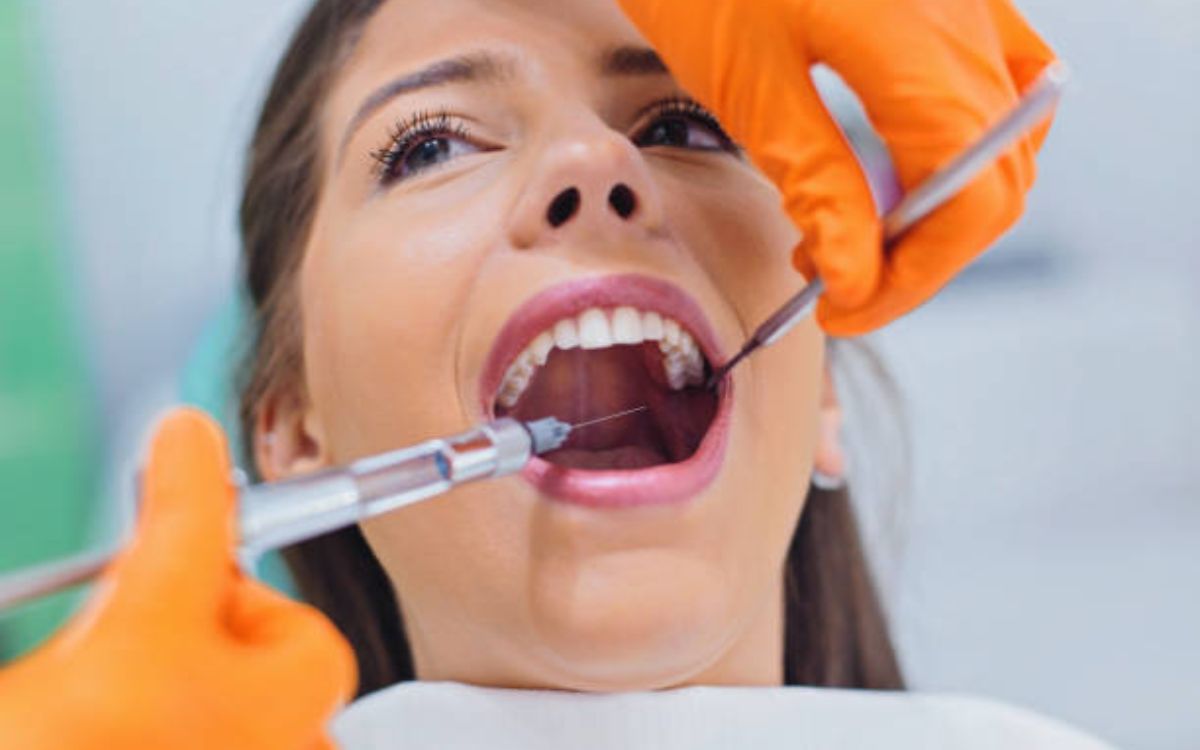
Let’s talk honestly. Hearing “deep cleaning” can sound scary. 😬 Especially with anesthesia involved. But deep cleaning (called scaling and root planing) is vital for fighting gum disease. It cleans below your gumline where regular brushing can’t reach. And yes, anesthesia makes it comfortable! 🦷💤 The big question afterwards? “How long until I feel normal?”
This recovery timeline for deep cleaning teeth with anesthesia breaks it down simply. Hour by hour. Day by day. Know what’s normal. Know when to relax. Know when to call your dentist. Let’s get you prepared!
Why Anesthesia? Keeping Your Deep Cleaning Comfortable
First, why anesthesia? Deep cleaning isn’t just polishing the surface. Your dentist or hygienist meticulously removes hardened plaque (tartar/calculus) and bacteria from tooth roots, deep under swollen gums.
This area is sensitive! Local anesthesia numbs the area completely. You stay awake but feel no sharp pain. Just pressure or vibration. It’s essential for thorough cleaning without discomfort. Think of it as your comfort shield during the procedure. 🛡️
Immediate Aftermath: The First 24 Hours (0-24 Hours Post-Procedure)
The anesthesia wears off within a few hours. Then reality sets in. Here’s what’s common:
-
Numbness Fading (1-4 hours): Your mouth feels weird. Thick. Tingly. Avoid hot drinks! You might bite your cheek or lip without feeling it. Stick to soft, cool foods like yogurt or applesauce. 🥄
-
Sensitivity & Soreness Kicks In (4-8 hours): Hello, tenderness! Teeth, especially near the gumline, feel sensitive. Gums feel bruised and sore. This peaks around 6-8 hours post-procedure. Totally normal.
-
Minor Bleeding: Expect slight oozing. Pinkish saliva is common. Don’t panic! Gently bite on clean gauze if needed. Avoid vigorous rinsing or spitting.
-
Swelling Begins: Gums might look puffy or feel tender to touch. Your jaw muscles might ache slightly from keeping your mouth open.
-
What To Do:
-
Take Pain Relief: Use OTC meds like ibuprofen (Advil) or acetaminophen (Tylenol) as directed by your dentist. Start before numbness fully wears off.
-
Ice It: Apply an ice pack (wrapped in a thin cloth) to your cheek for 15 mins on, 15 mins off. Reduces swelling! ❄️
-
Eat Soft & Cool: Mashed potatoes, soup (lukewarm!), smoothies, scrambled eggs.
-
Rest: Skip the gym. Avoid bending over. Let your body focus on healing.
-
NO Straws, NO Smoking: Sucking motion dislodges clots and slows healing. 🚭
-
Gentle Hygiene: Avoid the treated area tonight. Resume gentle brushing/flossing elsewhere.
-
Key Focus: Rest & Protect!
This first day is about managing the initial shock. Be kind to yourself. Hydrate well (water only!). Keep activity low.
The Initial Healing Phase: Days 1-3 Post-Deep Cleaning
Days 2 and 3 are often the peak of discomfort. But improvement starts!
-
Sensitivity & Soreness: Still present, maybe strong. Especially when eating/drinking hot, cold, sweet, or acidic things. Gums remain tender. 😣
-
Swelling: Likely peaks around day 2 or 3. Your cheek might look slightly puffed.
-
Bleeding: Should lessen significantly. Pink tinge when brushing gently is okay.
-
Taste/Sensation: A weird taste or slight metallic feeling is possible (from cleaning solutions). Your bite might feel slightly “off” temporarily.
-
What To Do:
-
Stick with Soft Foods: Oatmeal, pasta, fish, well-cooked veggies, bananas. Avoid chips, nuts, seeds, anything crunchy or sticky. 🍌
-
Continue Meds: Keep up with pain relievers as needed and directed.
-
Start Gentle Cleaning: Resume brushing very gently with a soft-bristled toothbrush. Use lukewarm water. Floss carefully. Consider an antimicrobial rinse (like chlorhexidine, if prescribed). Avoid commercial alcohol-based mouthwashes – they sting! 🪥
-
Warm Salt Water Rinses (Day 2+): Mix 1/2 teaspoon salt in a glass of warm water. Gently swish 2-3 times daily. Soothes gums and promotes healing. 🧂
-
Ice/Switch to Warm Compress (After 48 hrs): If swelling persists after 2 days, switch to warm compresses to increase blood flow.
-
Key Focus: Gentle Care & Patience.
Discomfort is normal now. Stick to the plan. Don’t poke the area! Healing is happening beneath the surface.
Turning the Corner: Days 4-7 Post-Deep Cleaning
Ahh, relief starts here! Most people notice a big shift.
-
Sensitivity & Soreness: Markedly decreases! Gums feel less tender. Eating becomes much easier. 😊
-
Swelling: Should be mostly gone or very minor.
-
Bleeding: Should have stopped. Only slight spotting if you brush too hard.
-
Gums Look Better: Less redness. Starting to tighten around teeth.
-
What To Do:
-
Gradually Reintroduce Foods: You can try slightly firmer foods (soft bread, tender meats). Still avoid extreme temperatures/hard foods if sensitivity lingers.
-
Maintain Meticulous Oral Hygiene: Brush gently twice daily. Floss daily. Use prescribed rinses. This is CRITICAL to prevent reinfection and support healing. 🛡️
-
Continue Salt Water Rinses: Helps keep the area clean and calm.
-
Ease Off Pain Meds: You likely won’t need them as much, if at all.
-
Key Focus: Hygiene is Healing.
Your gums are reattaching to the cleaned roots. Keeping plaque away is essential for long-term success!
Settling Into Normal: Week 2 and Beyond
By the end of week 1 and into week 2, you should feel almost back to normal.
-
Minimal Sensitivity: Any lingering sensitivity is usually mild and manageable. Special toothpaste (for sensitive teeth) can help if needed.
-
Gums Healing Well: Gums appear pinker, firmer, less puffy. They snuggle closer to teeth.
-
Comfort: Chewing feels normal again. No significant pain.
-
Long-Term Healing (Up to 4-6 Weeks): Full tissue healing and reattachment takes time under the surface. Your follow-up appointment (usually 4-6 weeks later) checks this progress. ✅
-
What To Do:
-
Return to Normal Diet: Enjoy your regular foods! 🍎 (But stay mindful of sugary/acidic items long-term for gum health).
-
Stellar Oral Hygiene: Non-negotiable! Brush, floss, regular dental cleanings. This prevents gum disease from returning.
-
Attend Follow-Up: Crucial! Your dentist assesses healing and determines if further treatment is needed.
-
Key Focus: Prevention is Power.
This recovery timeline for deep cleaning teeth with anesthesia leads to health. Protect your investment with excellent daily care!
What Influences Your Personal Recovery Timeline? ⏱️
Healing isn’t identical for everyone. Factors play a role:
| Factor | Impact on Recovery Timeline | Emoji Note |
|---|---|---|
| Severity of Gum Disease | More advanced disease = More inflammation to heal = Longer recovery | 🦠 → ⏳ |
| Extent of Treatment | Full mouth vs. One quadrant? More areas treated often means more overall discomfort. | 😣 ↔️ 😌 |
| Your Oral Hygiene | Excellent hygiene before & after speeds healing. Poor hygiene slows it down & risks complications. | 🪥✅ = 🚀 Healing |
| Overall Health | Conditions like diabetes or smoking 🚬 significantly slow healing and increase risks. | ⚠️ Slower Recovery |
| Following Aftercare | Strictly following dentist instructions = Smoother, faster recovery. Ignoring them = Problems! | 📋 Follow Rules! |
| Pain Tolerance | Individual sensitivity varies. Some feel sore longer. | 🧍♀️↔️🧍♂️ |
Your Smooth Recovery Toolkit: Essential Tips ✅
Make your recovery timeline for deep cleaning teeth with anesthesia as easy as possible:
-
Pre-Hydrate & Pre-Eat: Drink water. Eat a good meal before your appointment (unless instructed otherwise). Anesthesia + empty stomach = potential dizziness.
-
Fill Prescriptions Early: Get any prescribed pain meds or mouthwash before your procedure.
-
Soft Food Stock-Up: Have easy meals ready. Soups, yogurts, mashed potatoes, smoothie ingredients. No cooking stress! 🥣
-
Ice Packs Ready: Have gel packs or a bag of peas in the freezer.
-
Salt Ready: For those soothing rinses.
-
Plan Rest: Clear your schedule for the rest of the procedure day and maybe day 1. Cancel intense workouts for 2-3 days.
-
Ask Questions: Clarify everything with your dentist before you leave. Know your pain med plan, hygiene instructions, and warning signs.
Red Flags: When to Call Your Dentist Immediately! 🚨
While discomfort is normal, certain signs need prompt attention. Call if you experience:
-
Severe Pain: Pain that worsens after 2-3 days or isn’t touched by prescribed meds. Throbbing pain is a red flag! 🔥
-
Excessive Bleeding: Bleeding that soaks through gauze repeatedly or doesn’t slow after 24 hours.
-
Pus or Bad Taste: Signs of infection. 🤢
-
Significant Swelling: Swelling that increases after day 3 or makes it hard to swallow/breathe (seek emergency care if breathing is difficult!).
-
Fever: Temperature over 100.4°F (38°C).
-
Loose Teeth: Some initial slight looseness can happen as gums heal, but significant looseness or teeth feeling more loose after a week needs checking.
-
Numbness Persisting: If numbness lasts more than 8 hours post-procedure.
Don’t Hesitate!
Early intervention prevents small issues from becoming big problems. Your dentist expects these calls.
Embracing Your Healthier Smile
Understanding this recovery timeline for deep cleaning teeth with anesthesia takes the fear away. Yes, there’s some tenderness. Some days of soft food. But it’s manageable. And the payoff? Huge! 💪 You’ve stopped gum disease in its tracks.
You’ve saved your teeth. You’ve protected your overall health (gum disease links to heart problems, diabetes complications). Those few days of recovery are a small investment for a healthier, brighter future. Follow your timeline. Care for your gums. Attend your follow-up. Celebrate your commitment to your smile! 😁 Your future self will thank you. Now go enjoy that (gradually firmer) food!