
Choosing between Invisalign vs braces pros and cons is a major decision. It affects your smile, your wallet, and your daily life. This guide breaks it down.
We cut through the confusion. We give you clear, straightforward facts. You will learn the key differences. You will see who is best suited for each option. Ultimately, you will feel confident talking to your orthodontist.
This is not just about straight teeth. It is about your lifestyle, your budget, and your health. We explore it all.
First, what are they? A Quick Overview
Traditional Braces: These are the classic metal brackets and wires. An orthodontist bonds brackets to your teeth. A thin archwire connects them. This wire applies gentle, constant pressure. It guides your teeth into the correct position over time. Today’s braces are smaller and more comfortable than before. But they are still very visible.
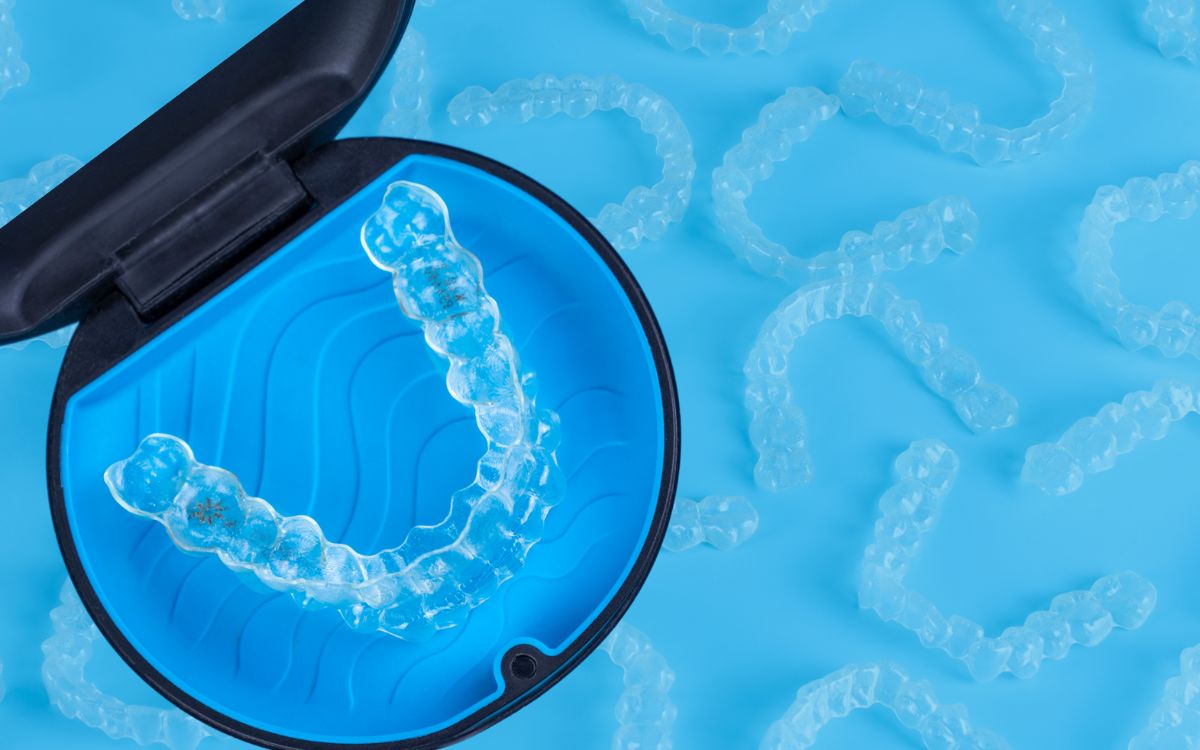
Invisalign: This is a brand of clear aligners. They are a series of custom-made, removable plastic trays. You wear each set for about one to two weeks. Each aligner shifts your teeth slightly. You switch to the next set in the series. The process continues until your teeth are straight. The trays are nearly invisible.
Now, let’s get into the detailed comparison.
The Core Difference: Visibility and Lifestyle
This is the most obvious difference. How do these options fit into your life?
Invisalign: The Discreet Choice
Pros:
-
Nearly Invisible. This is the biggest advantage. Most people will not notice you are wearing them. This is a massive benefit for adults and self-conscious teens.
-
Removable. You can take them out to eat, drink, brush, and floss. No food restrictions. You can enjoy popcorn, hard candy, and sticky caramel.
-
Comfort. No metal brackets or wires to rub against your cheeks. New aligners might feel tight for a day or two, but there are no sharp edges.
Cons:
-
Requires discipline. You must wear them 20-22 hours per day. If you do not, treatment will not work. This is a big responsibility.
-
Easy to Lose. Taking them out means you can misplace them. They can also get thrown away in a napkin.
-
Eating Inconvenience. You must remove them for every snack and drink (except water). This can be awkward in social situations.
Traditional Braces: The Fixed Solution
Pros:
-
No Willpower Needed. They are glued to your teeth. You cannot forget to wear them. Treatment progress is constant.
-
Effective for Complex Cases. Braces have more power. They can handle severe crowding, large gaps, or rotated teeth. They can also move teeth that need to go up or down into the gum line.
-
Potentially Faster? For very complex issues, braces can sometimes achieve results faster than aligners.
Cons:
-
Very Visible. Metal braces are obvious. Some people are self-conscious about this. Ceramic braces are less noticeable but still visible.
-
Diet Restrictions. You must avoid hard, sticky, and chewy foods. This includes nuts, hard pretzels, gum, and caramel. These can break brackets.
-
Oral Hygiene Challenges. Food gets stuck easily. Brushing and flossing take more time and effort. Special tools like water flossers are almost essential.
Comparison Table: Lifestyle Impact
| Factor | Invisalign | Traditional Braces |
|---|---|---|
| Visibility | Nearly invisible | Very visible |
| Removability | Yes, for eating/cleaning | No, fixed to teeth |
| Comfort | Smooth plastic, less irritation | Can cause mouth sores |
| Discipline | High willpower required | None needed |
| Diet | No restrictions | Many restrictions |
The Financial Reality: Cost and Insurance
Cost is a huge factor. The price depends on your location, the orthodontist, and case complexity.
Invisalign Cost: Typically between $3,000 and $8,000. Often, it is comparable to traditional braces.
Traditional Braces Cost: Usually between $2,500 and $7,500.
The key takeaway: The cost is often very similar. Do not assume one is always cheaper. You must get a consultation for a real quote.
Insurance: Most dental insurance plans that cover orthodontics treat them equally. They will pay a set amount (e.g., $1,500) toward either treatment. Check your specific plan.
Payment Plans: Fortunately, most orthodontic offices offer monthly payment plans. This makes both options more affordable.
Treatment Effectiveness: Which Works Better?
This is not a simple answer. Both can create a beautiful smile. However, they work in different ways.
Invisalign excels at fixing mild to moderate issues. These include:
-
Gaps between teeth
-
Mild crowding
-
Overbites and underbites (in some cases)
Traditional Braces are the powerhouse. They are often better for:
-
Severe crowding or spacing
-
Rotations of rounded teeth
-
Moving teeth that need to be raised or lowered
-
Complex bite issues
Important note: Invisalign technology improves every year. What was impossible five years ago might be simple today. Only an orthodontist can tell you which is best for your specific teeth.
The Daily Routine: Maintenance and Care
Your daily habits will change drastically depending on your choice.
With Invisalign:
-
Brushing: You must brush your teeth after every meal before putting the aligners back in. If you do not, you trap food and sugar against your teeth. This leads to cavities.
-
Cleaning Aligners: You must clean the aligners daily. You use a soft toothbrush and clear soap or special cleaning crystals.
-
Storage: You must always have your case. When you eat, the aligners go in the case. Never in a napkin.
With Traditional Braces:
-
Brushing: You need a special orthodontic toothbrush. You must brush after every meal to dislodge food stuck in brackets and wires. This takes longer.
-
Flossing: This is a challenge. You must use a floss threader or a water flosser to clean under the wires. It is a time-consuming process.
-
Emergency Visits: Sometimes, a wire breaks or a bracket pops off. This requires an unscheduled visit to the orthodontist.
The Discomfort Factor: What Does It Feel Like?
Both options involve pressure. That is how teeth move.
Invisalign: The discomfort comes in waves. When you switch to a new set of aligners, you feel pressure and tightness for 1-3 days. Then it fades. The smooth plastic does not cause cuts inside your mouth.
Traditional Braces: The discomfort is more constant. After each adjustment appointment (every 4-8 weeks), your teeth will be sore for a few days. The brackets and wires can also rub against your cheeks and lips, causing sores. Orthodontic wax helps a lot with this.
The Final Result: Retention is Everything
People forget this part. The work is not over when the braces come off or you finish your last Invisalign tray.
Teeth have memory. They want to shift back to their original position.
Therefore, you must wear a retainer. This is non-negotiable for both methods. For the first year, you will likely need to wear a retainer full-time. After that, nightly wear is usually for life. If you do not, your investment will be wasted. Your teeth will shift.
Who Wins? A Summary of Invisalign vs Braces Pros and Cons
This is the core of your decision. Let’s break it down clearly.
Choose Invisalign if:
-
Appearance is your top priority. You want your treatment to be discreet.
-
You are a disciplined person. You know you will wear the aligners for the required 20-22 hours daily.
-
Your case is mild to moderate. Your orthodontist confirms it will work.
-
You hate the idea of food restrictions. You do not want to change your diet.
Choose Traditional Braces if:
-
You have a complex orthodontic issue. Your teeth need significant movement.
-
You lack discipline. You know you might “forget” to put aligners back in.
-
Cost is a slight factor. Sometimes, braces are the more affordable option.
-
You want a “set it and forget it” approach. You do not want the responsibility of removable trays.
Comparison Table: The Final Decision Guide
| Your Priority | Recommended Choice | Why? |
|---|---|---|
| Discretion | Invisalign | Nearly invisible on your teeth. |
| Handling Complexity | Traditional Braces | More control for severe corrections. |
| Low Maintenance | Traditional Braces | No daily removal or risk of loss. |
| Diet Freedom | Invisalign | Remove to eat whatever you want. |
| Predictable Cost | Similar | Get quotes; prices are often close. |
| Easiest Cleaning | Invisalign (with discipline) | Brush and floss normally without obstacles. |
Conclusion: Your Smile, Your Choice
The journey to a perfect smile is personal. There is no single best answer for everyone. The choice in the debate of Invisalign vs braces pros and cons depends entirely on your unique situation.
You must consider your lifestyle, your discipline, and the complexity of your teeth. Most importantly, you must consult an expert. A qualified orthodontist will examine your teeth, listen to your goals, and give you their professional recommendation. They are the only ones who can truly assess which path is right for you.
Remember, both methods are effective. Both require commitment. Both are investments in your health and confidence. Whether you choose the clear path of Invisalign or the proven power of braces, the result is the same: a beautiful, healthy smile that will last a lifetime.
Now, you are armed with the facts. You understand the key differences. Your next step is to book that consultation. Start your journey today