
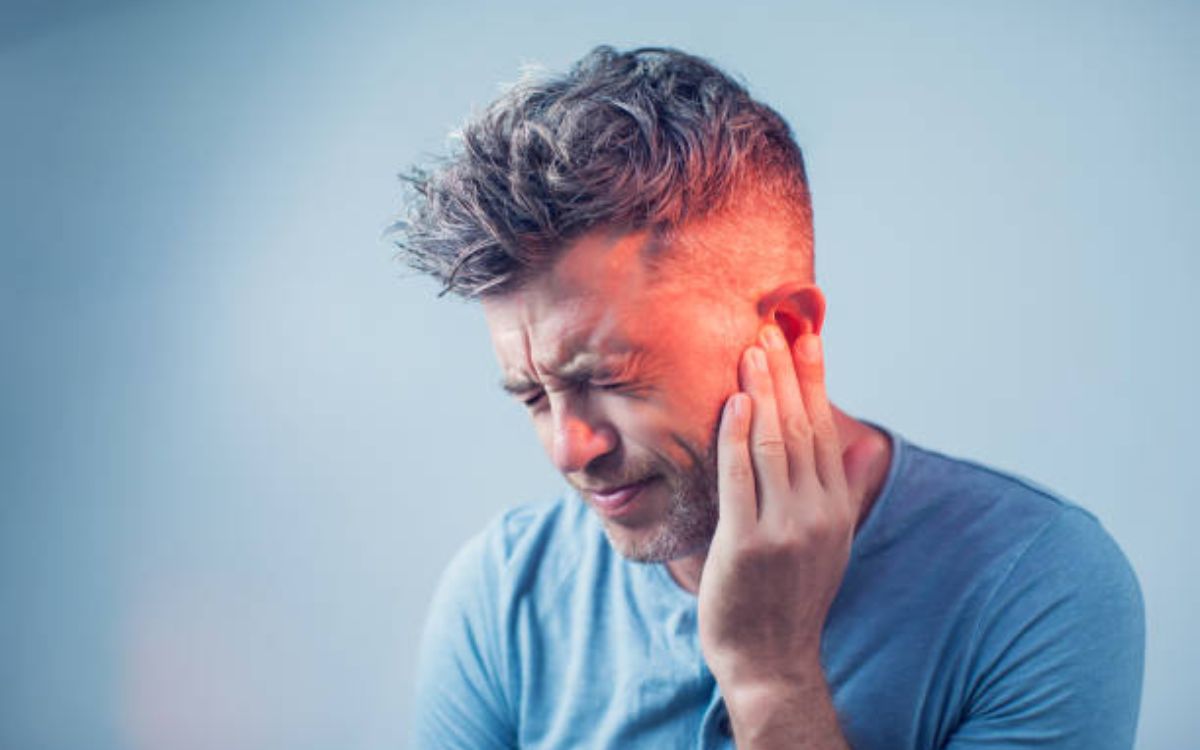
Your ears are screaming. The final encore fades, but inside your head? A high-pitched whine, a relentless buzz, maybe a roaring ocean.
How to stop tinnitus immediately after loud concert is suddenly your only thought. Breathe. You are not alone.
This post-concert ear ringing is incredibly common, often temporary, and crucially – there are things you can do right now to dial it down and find relief. Let’s tackle this head-on.
Understanding the Roar: Why Your Ears Ring After Loud Noise
First, know your enemy. Tinnitus (pronounced tin-NIGHT-us or TIN-a-tus) isn’t a disease. It’s a symptom. Think of your inner ear.
Tiny, delicate hair cells translate sound vibrations into electrical signals for your brain. A loud concert is an acoustic assault.
🔊 Those hair cells get overwhelmed, even damaged. They fire off random signals – like a microphone feeding back. Your brain interprets this chaos as sound: ringing, buzzing, hissing. That’s tinnitus.
The Immediate Response: How to Stop Tinnitus Immediately After Loud Concert Exposure
1. GET OUT OF THE NOISE. NOW.
This is step zero. The damage is done, but more noise makes it worse. Leave the venue. Find quiet. A bathroom stall, your car (engine off!), a nearby park bench. Give your battered ears a break. Every extra minute in loud sound prolongs the recovery.
2. Embrace the Silence (But Not Total Silence!)
Counterintuitive? Maybe. Sitting in a perfectly silent room can make the tinnitus seem louder. Your brain amplifies the internal noise. Instead, try low-level, gentle background sound:
White Noise or Pink Noise Apps: Rain sounds, ocean waves, static. Keep the volume very low. Just enough to mask the edge of the ringing.
- A Fan: The gentle hum is perfect.
- Soft, Calming Music: Instrumental, ambient. Nothing with heavy beats or vocals competing for attention. Think spa music, not rock ballads.
- Nature Sounds: Birdsong, a babbling brook recording. 🌿
3. The Power of Distraction (Seriously!)
Obsessing over the ringing fuels anxiety. Anxiety makes tinnitus feel worse. Break the cycle:
- Deep Breathing: Inhale slowly for 4 counts, hold for 4, exhale slowly for 6. Repeat. Calms your nervous system.
- *Focus Outward: Read a book (physical or digital), do a puzzle, chat calmly with a friend (in a quiet place!), play a simple game on your phone. Engage your brain elsewhere.
4. Hydrate Like Your Ears Depend On It (They Do!)
Dehydration thickens your blood. This can slightly reduce blood flow to the delicate inner ear structures. Good hydration supports overall cellular function and recovery.
Sip water consistently. Avoid excessive caffeine and alcohol right now – they can dehydrate you and sometimes worsen tinnitus perception.
5. Gentle Jaw & Neck Massage
Tension often clusters around the jaw and neck after loud events (clenching, headbanging!). This area is close to muscles connected to your middle ear. Try:
- Massaging your temples in slow circles.
- Gently rubbing the muscles just below your ears and along your jawline.
- Rolling your shoulders and gently stretching your neck side-to-side.
- Release tension here, and you might ease some of the internal pressure contributing to the noise.
6. The “Humming” Trick (Reset Your Ear Pressure)
Sometimes, pressure changes or Eustachian tube dysfunction (common after loud noise exposure) can aggravate tinnitus. Try this:
- Pinch your nostrils shut gently.
- Take a small breath in through your mouth.
- Gently try to blow air out through your nose while keeping it pinched (like popping your ears on a plane). Don’t blow hard!
- You should feel your ears “pop.” Follow with gentle swallowing or yawning. This can equalize pressure and offer subtle relief.
7. Over-the-Counter Pain Relief (Use Sparingly & Wisely)
If you have a headache or feel general inflammation, a standard dose of ibuprofen (Advil, Motrin) might help slightly by reducing inflammation in the inner ear.
Do not take aspirin specifically for tinnitus, as it can paradoxically worsen it for some people. Always follow package directions and don’t exceed dosage. This isn’t a cure, just potential symptom management.
8. REST. Seriously, Rest.
Your body heals during rest, especially sleep. Fatigue massively amplifies tinnitus perception. Don’t try to push through. Go home. Dim the lights.
Use your gentle background noise. Let your body focus its energy on repairing those stressed hair cells. Sleep is potent medicine. 😴
What NOT to Do (Avoid These Tinnitus Traps!)
-
DON’T Seek More Loud Noise: Blasting music in your headphones to “drown out” the ringing? Terrible idea. More damage.
-
DON’T Poke or Prod: Cotton swabs (Q-tips) in the ear are a big no-no. You risk impacting wax or damaging the eardrum.
-
DON’T Panic: Easier said than done, but panic feeds the cycle. Use your breathing techniques. Remind yourself this is likely temporary.
-
DON’T Hit the Booze Hard: Alcohol dilates blood vessels, potentially increasing blood flow noise in the ear. It also dehydrates and disrupts sleep – bad combo.
-
DON’T Expect Instant, Total Silence: Be realistic. Relief often comes gradually as your ears heal.
Beyond the Immediate: Protecting Your Ears Before the Next Show
Let’s be real. The absolute best way to deal with post-concert tinnitus is to prevent it from being so severe in the first place. “How to stop tinnitus immediately after loud concert” starts before the first chord is struck.
-
EARPLUGS ARE NON-NEGOTIABLE. PERIOD. 🎧
This is the single most effective thing you can do. Not the cheap foam ones that muffle everything (though they’re better than nothing!). Invest in high-fidelity earplugs (brands like Eargasm, Loop, Etymotic, Vibes). These reduce damaging decibel levels evenly across frequencies, preserving sound clarity while protecting you. Think of them as sunglasses for your ears. Carry them always. -
Distance is Your Friend: Stand further back from the speakers and stacks. Sound intensity drops significantly with distance. Find a spot where it’s comfortably loud, not physically painful.
-
Take “Ear Breaks”: Step outside the main hall or into a quieter lobby for 5-10 minutes every hour. Give your ears periodic rests.
-
Know Your Limits: If it feels too loud, it is too loud. Trust your body. Move away or leave early. No band is worth permanent damage.
-
Check Noise Levels: Some apps can give rough estimates of decibel levels. Consistently over 85dB requires protection. Concerts often hit 100-110dB+ – firmly in the damage zone.
When “Immediately” Isn’t Enough: Recognizing the Red Flags
Most post-concert tinnitus fades significantly within 16-48 hours. Sometimes it lingers for a week or so. But know when to seek professional help:
-
The ringing lasts longer than 2 weeks.
-
It’s only in one ear.
-
You experience sudden hearing loss (muffled sounds, difficulty understanding speech).
-
The tinnitus is accompanied by severe dizziness or vertigo.
-
The sound is pulsating (whooshing in time with your heartbeat).
-
You have constant, significant pain in your ear.
SEEK MEDICAL ATTENTION IMMEDIATELY IF: You have sudden, profound hearing loss or severe dizziness. Time is critical.
An ENT doctor (Otolaryngologist) or an Audiologist can perform tests to assess your hearing, determine the cause of persistent tinnitus, and discuss management strategies. Don’t ignore persistent symptoms.
Living with the Echo (If It Lingers)
For most, the ringing fades. For some, it becomes a chronic companion. If yours persists beyond a couple of weeks:
-
Sound Therapy: Using background noise (as mentioned earlier) becomes a key long-term management tool, especially for sleep.
-
Cognitive Behavioral Therapy (CBT): Helps retrain your brain’s reaction to tinnitus, reducing the distress and perceived loudness. Very effective.
-
Hearing Aids: If hearing loss accompanies the tinnitus, hearing aids can amplify external sounds, making the internal ringing less noticeable and improving communication.
-
Tinnitus Retraining Therapy (TRT): Combines sound therapy with directive counseling to help habituate to the sound.
-
Support Groups: Connecting with others who understand can be invaluable. Check the American Tinnitus Association (ATA).
The Takeaway: You Have Power Over the Ringing
That frantic search for how to stop tinnitus immediately after loud concert is understandable. Loud music feels amazing, but the aftermath can be frightening. While true, instant silence isn’t always achievable, significant relief often is.
Act fast: Escape the noise, use gentle sound masking, distract yourself, hydrate, release tension, rest. Prevent fiercely: Earplugs are your superhero cape.
🦸♀️ Know the signs: Don’t hesitate to seek professional help if it persists or worsens.
Protecting your hearing isn’t about missing out; it’s about ensuring you can enjoy the music you love for decades to come. Be smart, be prepared, and rock on safely! Your future ears will thank you. 🎶
Remember: This guide provides actionable steps based on common experiences and expert recommendations. Always consult a healthcare professional for persistent or severe ear issues. Implementing prevention strategies is the ultimate key to avoiding the desperate search for immediate relief. Protect those precious ears!