
You brush. You floss (sometimes!). But are your gums truly healthy? If you skip cleaning between your teeth, you’re missing a huge piece of the puzzle. Plaque and food love hiding there. This is where learning how to properly use interdental brushes for gum health becomes your secret weapon. Forget just a clean feeling – this is about stopping gum disease before it starts. Let’s dive in.
Why Flossing Isn’t Always Enough (And Where Brushes Shine)
Regular floss is great for tight contacts. But many mouths have spaces. Receding gums? Gaps from orthodontics? Natural variations? Floss might not clean effectively here. It can shred or snap.
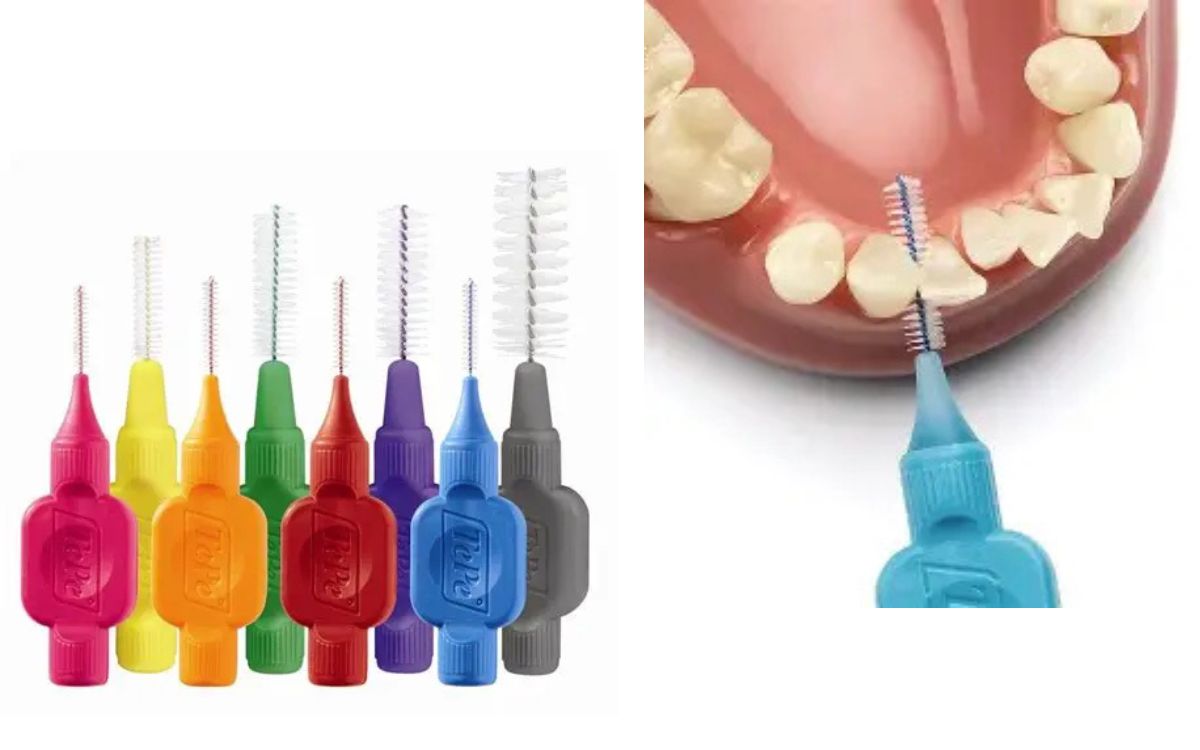
Interdental brushes are different. They have tiny bristles wrapped around a small wire. They look like mini bottle brushes. You gently insert them between teeth. They physically scrub away plaque and debris. It’s direct. It’s efficient. Studies show they often remove more plaque than floss, especially in larger spaces.
The Gum Health Connection is Clear:
Plaque between teeth = bad news. It irritates gums. Causes inflammation (gingivitis). Leads to bleeding. If ignored, it can destroy supporting bone (periodontitis). Tooth loss is a real risk. Using interdental brushes correctly breaks this cycle. It removes the enemy at its source. Healthy gums don’t bleed. They are pink, firm, and snug around teeth. That’s the goal. 👍
Finding Your Perfect Fit: Size Matters Most!
This is critical. Using the wrong size is the biggest mistake. Too big? You force it. Hurts gums. Damages teeth. Too small? Doesn’t clean effectively. Useless.
How to Find Your Size:
-
Don’t Guess: You need a variety pack. Brands like TePe, GUM, Curaprox offer these. Essential.
-
Test Gently: Start with a small size. Insert it between your teeth. No forcing! It should slide in with slight resistance. You should feel the bristles touching the teeth.
-
Resistance is Good (But Not Pain!): You want a snug fit. The bristles need to contact the tooth surfaces to clean.
-
Different Spaces, Different Sizes: Your front teeth likely need smaller brushes than your molars. You might need 2-3 different sizes for your whole mouth.
-
Ask Your Pro: Your dentist or hygienist is your best resource. They can quickly assess your spaces and recommend the perfect starting sizes. Get this right!
Common Brush Size Guide (Illustrative – ALWAYS test!):
| Size (Common Examples) | Wire Diameter (mm approx.) | Best For | Visual Cue |
|---|---|---|---|
| ISO 0 (TePe Pink) | 0.45 | Very tight spaces, front teeth | Like a single bristle |
| ISO 1 (TePe Orange) | 0.50 | Small spaces, tighter contacts | Slightly thicker than floss |
| ISO 2 (TePe Red) | 0.60 | Average spaces, most adults | Noticeable small brush |
| ISO 3 (TePe Blue) | 0.70 | Larger spaces, back teeth | Clearly visible brush head |
| ISO 4 (TePe Yellow) | 0.80 | Very large spaces, post-surgery | Thick, substantial brush |
| ISO 5+ (TePe Green/White) | 0.90+ | Significant gaps, bridges, implants | Largest standard brushes |
Your Step-by-Step Guide: How to Properly Use Interdental Brushes for Gum Health
Master the technique. It’s simple but powerful.
What You Need:
-
Your correctly sized interdental brushes.
-
A mirror (bathroom mirror is fine).
-
Good lighting.
-
Two minutes of focus.
The Technique (Do this once daily, ideally before bedtime):
-
Start Clean: Rinse your mouth with water. Brush your teeth normally first. This loosens debris.
-
Choose Your Brush: Pick the right size for the space you’re cleaning. Have your sizes ready.
-
Hold It Right: Hold the brush like a pencil. Gentle grip. Control is key.
-
Approach Carefully: Guide the brush gently towards the space between two teeth. Don’t stab! Aim slightly downwards for upper teeth, slightly upwards for lower teeth. Match the natural angle of the gap.
-
Insert Gently: Slide the brush into the gap. Use NO force. If it doesn’t go, use a smaller size. Forcing = damage. ⚠️ The brush should go through slightly below the gumline.
-
The Clean: Once inserted comfortably:
-
Move the brush gently back and forth horizontally (in and out) 2-3 times.
-
Do NOT push up and down aggressively. This harms gums. Think “tickle” not “scrub”.
-
-
Cover All Sides: The gap has two teeth. Make sure the bristles touch both tooth surfaces. A slight wiggle often helps.
-
Remove Gently: Slide the brush straight out. Don’t yank it sideways.
-
Rinse and Repeat: Rinse the brush under water to remove debris. Move to the next space. Use a clean section of the brush or rinse again. Spaces vary – switch sizes as needed!
-
Finish Strong: After cleaning all spaces, rinse your mouth well with water or mouthwash. Feel the clean? That’s plaque gone! 😌
Pro Tip: Start with your front teeth. They’re easier to see. Work your way back. Develop a pattern so you don’t miss spots. Bottom left to bottom right, then top left to top right, for example.
Common Mistakes to Avoid (Save Your Gums!)
-
Forcing It: Biggest error. Causes gum trauma, pain, recession. If it doesn’t fit easily, SIZE DOWN.
-
Using the Wrong Size: A brush swimming in space cleans nothing. One jammed in hurts.
-
Sawing Up and Down: This cuts gums. Horizontal in-and-out motion only!
-
Reusing a Dirty Brush: Rinse after every few spaces. A clogged brush doesn’t clean well.
-
Skipping the Back Teeth: Hardest to reach, most important! They trap the most gunk.
-
Being Too Rough: Gentle is effective. Aggressive = damage. Let the bristles do the work.
-
Giving Up Too Soon: Your gums might be tender initially if inflamed. Be gentle but consistent. Tenderness usually reduces within 1-2 weeks as gums heal.
Troubleshooting: What If…?
-
It hurts? STOP. You’re likely forcing it or using too big a brush. Size down. Technique check. If pain persists, see your dentist.
-
My gums bleed? Bleeding = inflammation. Usually means plaque is present. Don’t stop! Gentle, correct use will reduce inflammation and bleeding within days/weeks. If heavy bleeding continues, see your dentist.
-
The brush bends/breaks? You might be using too small a brush for a large space, or forcing it. Check size. Use a gentle touch. Brushes wear out – replace when bristles splay or wire bends.
-
I can’t reach the back? Use a brush with a longer handle or angled neck. Many brands offer these. Persistence helps!
-
Food gets stuck on the brush? Normal! Rinse it off. It means it’s working – that food was trapped.
Interdental Brush Care: Make Them Last
-
Rinse Thoroughly: After each use, rinse well under running water.
-
Let Them Air Dry: Store upright in a clean holder. Don’t cap them while wet – breeds bacteria.
-
Replace Regularly: Brushes wear out! Replace when:
-
Bristles look bent, worn, or splayed.
-
The wire bends or loses its shape.
-
It doesn’t clean effectively anymore.
-
General Guideline: Every 1-2 weeks, or sooner if damaged. They are inexpensive prevention!
-
Beyond Brushes: Your Complete Gum Health Arsenal
Interdental brushes are stars ⭐, but teamwork wins:
-
Toothbrush: Use a soft-bristled brush. Brush twice daily for two minutes. Proper technique (Bass method) – angle towards gums!
-
Toothpaste: Fluoride toothpaste strengthens enamel.
-
Tongue Scraper: Removes bacteria that cause bad breath.
-
Mouthwash (Optional): Therapeutic mouthwash (like chlorhexidine or essential oil formulas) can help reduce bacteria. Don’t use it instead of mechanical cleaning.
-
Professional Cleanings: See your dentist/hygienist every 6 months (or as recommended). They remove hardened plaque (tartar) you can’t.
The Proof is in the Pink: Benefits You Can See & Feel
Mastering how to properly use interdental brushes for gum health delivers:
-
Less Bleeding: Healthy gums don’t bleed. This is a major win.
-
Reduced Inflammation: Gums look pink and firm, not puffy or red.
-
Fresher Breath: Trapped food and plaque cause bad odors. Eliminate the source!
-
Prevention: Stop gingivitis. Halt or slow periodontitis. Protect your teeth and bone.
-
Confidence: A truly clean mouth feels amazing. Smile wide!
FAQs: Quick Answers
-
Interdental brush vs floss? Use both if you have tight spaces and larger spaces. Brushes are often superior for larger gaps. Why choose? Use the best tool for each space.
-
Can I use them with braces? YES! Essential for cleaning around brackets and wires. Ask your orthodontist for sizes/techniques. A lifesaver! 🤓
-
Can I use them with implants? CRITICAL! Implants need meticulous cleaning to prevent peri-implantitis. Your dentist will recommend specific tools and techniques – interdental brushes are often key.
-
Can they cause gaps? No. Properly sized brushes used gently will not create gaps. Existing gaps might become more noticeable as inflammation reduces and gums tighten slightly.
-
How often? Once a day is ideal, usually before bed. Be consistent.
Your Healthier Smile Starts Between Your Teeth
Learning how to properly use interdental brushes for gum health isn’t just another chore. It’s an investment. An investment in keeping your natural teeth. In preventing painful, expensive problems. In fresh breath and real confidence.
It takes less than two minutes a day. Find your sizes. Master the gentle technique. Make it a habit. Your gums will thank you. They’ll stop bleeding. They’ll feel stronger. They’ll look healthier.
Ready to transform your gum health? Grab that variety pack tonight. Find your fit. Feel the difference. Your future self – with a healthy, confident smile – will be glad you did. 😁