
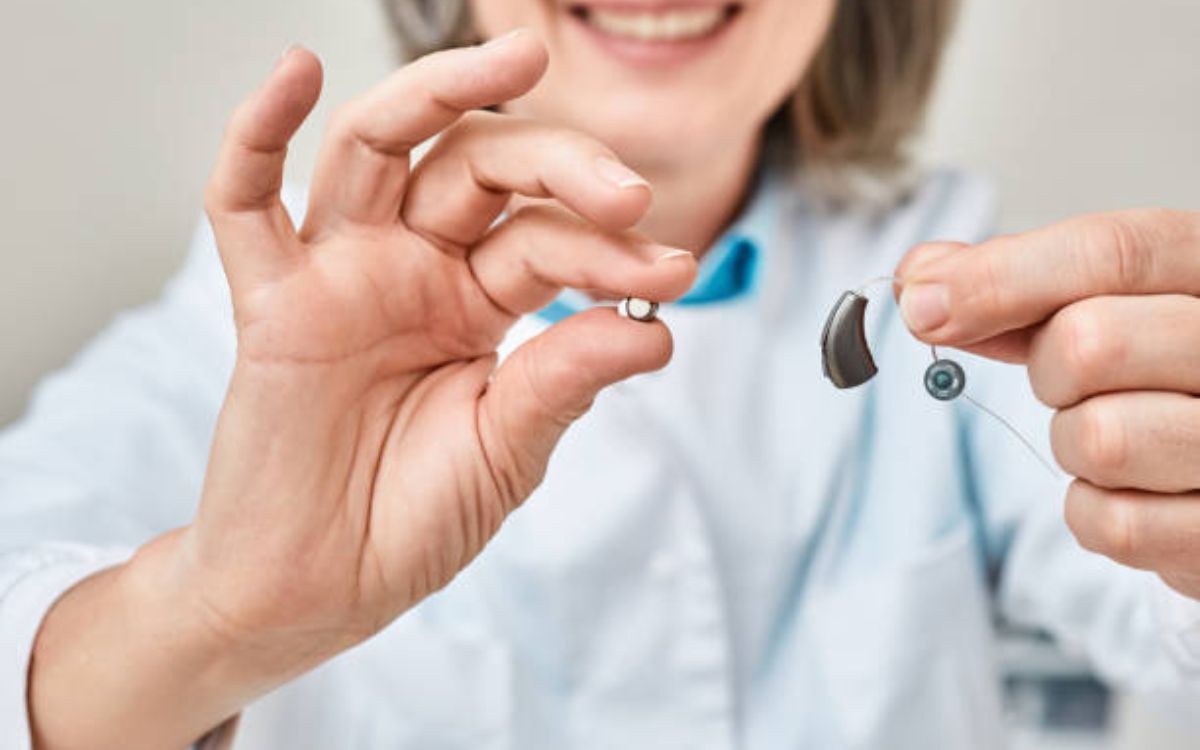
Struggling with constant battery changes? You’re not alone. Choosing between zinc-air and lithium batteries is critical for hearing aid users. Battery life impacts convenience, cost, and confidence. This hearing aid battery life comparison zinc air vs lithium cuts through the noise. Let’s dive deep.
⚡ Why Battery Life Matters More Than You Think
Hearing aids are lifelines. Dead batteries mean missed conversations, lost moments, frustration 😤. For active users, frequent swaps disrupt life. Travelers, professionals, grandparents—all need reliability. The right battery type? It’s a game-changer.
🔋 Zinc-Air Batteries: The Traditional Workhorse
Zinc-air batteries dominate hearing aids. Why? They’re affordable and widely available. But how do they work?
How Zinc-Air Functions
-
Air-Activated: A tiny sticker seals the battery. Peel it off ✅. Air enters pores, triggering a chemical reaction (zinc + oxygen = power).
-
Steady Power: Delivers stable voltage until depletion.
-
Shelf Life: Unactivated? Lasts 2-3 years. Once activated? 5-7 days ⏳.
Pros & Cons
| Strength 👍 | Weakness 👎 |
|---|---|
| Cheap ($0.50-$1 per battery) | Dies suddenly—no “low battery” warning 🚨 |
| Sold everywhere (drugstores, supermarkets) | Short lifespan: Heavy users replace 2x/week 🔄 |
| Easy to handle (no charging cables) | Performance dips in cold/humid weather ❄️💧 |
💡 Real Talk: *”My zinc-air lasts 5 days. But I carry spares ALWAYS. That ‘dead aid’ panic? Real.”* — Sarah, 68, bilateral user.
🔥 Lithium Batteries: The Long-Lasting Challenger
Lithium batteries entered the hearing aid scene more recently. They’re pricier but pack endurance.
How Lithium Functions
-
Lithium Chemistry: No air needed. Pre-charged and sealed. Just pop it in 🔋.
-
Voltage Stability: Holds charge longer, even in extreme temps (-5°C to 60°C).
-
Lifespan: 10-14 days—double zinc-air!
Pros & Cons
| Strength 👍 | Weakness 👎 |
|---|---|
| 2x the lifespan of zinc-air | Costs more ($1.50-$2 per battery) 💸 |
| Reliable in all climates ❄️🔥 | Harder to find (online/audiologists only) |
| Eco-friendly ♻️ (less waste) | Not for all aids (check compatibility!) |
💡 User Insight: “I hike in Colorado. Lithium lasts 12 days in freezing winds. Worth every penny.” — Mark, 54, outdoor enthusiast.
⚖️ Head-to-Head: Zinc-Air vs Lithium
Let’s compare key factors side by side:
| Feature | Zinc-Air 🔵 | Lithium 🔥 |
|---|---|---|
| Avg. Lifespan | 5-7 days | 10-14 days |
| Cost Per Month | $4-$8 | $6-$12 |
| Availability | Everywhere 🛒 | Limited 🕵️ |
| Weather Resilience | Poor ❄️💧 | Excellent ✅ |
| Eco-Impact | High waste 🗑️ | Less waste ♻️ |
| Best For | Budget users 💰 | Travelers ✈️, outdoor lovers 🌲 |
Key Takeaways
-
Cost vs Convenience: Zinc-air wins on price. Lithium wins on hassle-free longevity.
-
Climate Warriors: Lithium thrives in humidity, cold, heat. Zinc-air struggles.
-
Plan Ahead: Zinc-air users: stockpile. Lithium users: order online monthly.
⚠️ What Shrinks Battery Life? (Spoiler: It’s Not Just Chemistry)
Your habits and environment matter. A lot.
Battery Drain Culprits
-
Streaming: Bluetooth calls/music? Drains zinc-air 40% faster. Lithium: 25% faster.
-
Moisture: Sweat/humidity corrodes contacts. Use drying jars! 💧
-
Temperature: Cold slows zinc-air reactions. Heat evaporates lithium charge.
-
Aid Type: Power-hungry devices (e.g., premium noise-canceling aids) burn batteries faster.
📊 Data Point: Streaming 2 hours/day reduces zinc-air life to 3-4 days. Lithium drops to 7-9 days.
🎯 Which Battery Should YOU Choose?
Pick Zinc-Air If You…
-
Want the lowest cost
-
Live near stores (easy restocks)
-
Use hearing aids <8 hours/day
Pick Lithium If You…
-
Travel or hate battery anxiety ✈️
-
Need reliability in extreme weather
-
Use streaming features daily
⚠️ Critical: Check compatibility! Lithium batteries don’t fit all aids (e.g., some Resound models). Ask your audiologist.
♻️ 5 Pro Tips to Extend ANY Battery’s Life
-
Overnight: Open battery doors. Stops power drain.
-
Storage: Keep spares at room temperature (NOT the fridge!).
-
Hand Hygiene: Oils from skin reduce conductivity. Wash hands! 🧼
-
Wait 1 Minute: After peeling zinc-air stickers. Lets oxygen activate fully.
-
Recycle: 70% of batteries end up in landfills ♻️. Use mail-back programs.
🔮 The Future: Rechargeables Enter the Chat
Rechargeable lithium-ion aids (like Phonak Audéo Lumity) are surging. No more tiny batteries! But…
-
Pros: Eco-friendly, no fiddly swaps 🔄.
-
Cons: Upfront cost ($300+), 5-year lifespan.
💬 Verdict: Ideal for tech-savvy users. Traditional batteries still win for simplicity.
✅ Conclusion: Power Your Life, Your Way
In this hearing aid battery life comparison zinc air vs lithium, we see trade-offs. Zinc-air: cheap, accessible. Lithium: resilient, enduring. Your lifestyle dictates the winner.
Remember:
-
Heavy users → Lithium saves sanity.
-
Budget-first → Zinc-air gets the job done.
-
Always prioritize compatibility.
Whichever you choose, carry spares. Silence should be a choice, not a battery failure 😉.
🔑 Final Keyword Boost: For users researching the ultimate hearing aid battery life comparison zinc air vs lithium, this guide arms you with real-world truths. Share it. Bookmark it. Never get caught powerless again.